Most business owners in Lincoln think they’ve checked the "security" box because they make their employees watch a 15-minute video once a year. You know the one. It features a cartoon character clicking a link from a "Nigerian Prince" and a cheesy voiceover telling you to check the sender's email address.
Here is the uncomfortable truth: That training is worse than useless. It’s dangerous.
It creates a false sense of security while your actual risk grows every day. In 2026, the hackers aren't just sending "suspicious" links anymore. They are using generative AI to clone your voice. They are using sophisticated phishing kits that bypass your Multi-Factor Authentication (MFA) in real-time. They are targeting your staff on LinkedIn, via SMS, and even through physical access points.
If your strategy is still based on "don't click the link," you’ve already lost the fight. Your Lincoln-based team needs more than a checklist. They need a security-first culture.
Why Your Current Security Awareness Training is a Checklist, Not a Shield
Standard security training fails because it treats humans like machines that just need a software update. It’s boring, it’s generic, and it’s usually forgotten five minutes after the "Completion Certificate" is printed.
In Lincoln and Omaha, we see small to mid-sized businesses (SMBs) falling into the "Compliance Trap." They do the training to satisfy an insurance requirement or a board member, but they don't actually change the behavior of their staff.
Traditional training focuses on:
- Identifying obvious typos.
- Checking for "HTTPS" in the browser (which hackers use now anyway).
- Annual "test" emails that everyone recognizes instantly.
Modern threats have evolved past these basics. When an attacker is using Cybersecurity Services in Nebraska to find gaps in your network, they aren't looking for the person who passes the test. They are looking for the person who is in a rush, the person who is stressed, or the person who trusts a familiar voice.
The New Phishing Playbook: AI and MFA Bypass
The research is clear: traditional defenses are being bypassed by tools that training alone cannot stop. By the end of 2026, over 90% of credential compromise attacks will be powered by automated phishing kits.
These aren't just fake websites. These are "Adversary-in-the-Middle" (AiTM) attacks.
How the MFA Bypass Works
- Your employee receives a highly personalized email (crafted by AI) that looks exactly like a Microsoft 365 login prompt.
- They enter their credentials.
- The phishing kit relays those credentials to the real Microsoft login page in real-time.
- Microsoft sends a legitimate MFA code to your employee’s phone.
- Your employee enters that code into the fake site.
- The hacker takes that code, logs into the real account, and dumps a session cookie that keeps them logged in even if the password is changed.
At this point, "awareness" didn't save you. The user did exactly what they were supposed to do, they followed the prompt. This is why you need a Managed IT Services Lincoln NE partner who understands the technical side of the defense, not just the "educational" side.
Beyond the Inbox: Smishing, Vishing, and Social Engineering
Phishing has moved out of the inbox. Your staff in Lincoln is being hit on multiple fronts:
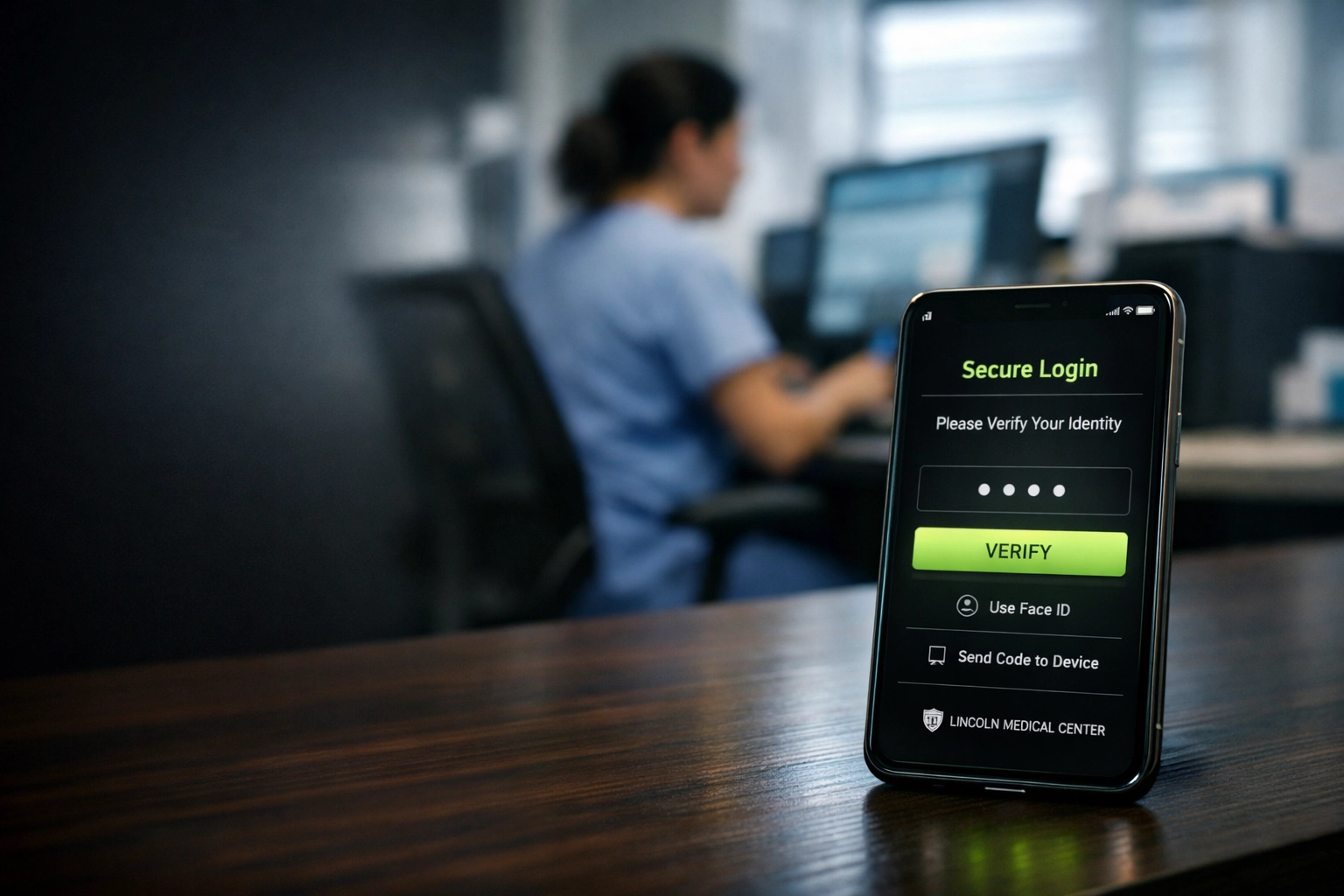
1. Smishing (SMS Phishing): A text message arrives on an employee’s personal phone. "Your payroll account has been locked. Click here to verify." Because it’s on their personal device, they are less likely to think of it as a work-related security threat.
2. Vishing (Voice Phishing): With AI voice cloning, an attacker can take a 30-second clip of a CEO’s voice from a YouTube video or a local news interview and recreate it perfectly. Your office manager gets a call: "Hey, it’s Colton. I’m stuck at a conference and need you to wire this vendor payment immediately. I’ll send the details over." It sounds like him. It acts like him.
3. MFA Fatigue: This is psychological warfare. An attacker who has a password will trigger dozens of MFA push notifications to an employee’s phone at 2:00 AM. Eventually, the exhausted employee hits "Approve" just to make the buzzing stop.
The Physical-Digital Convergence
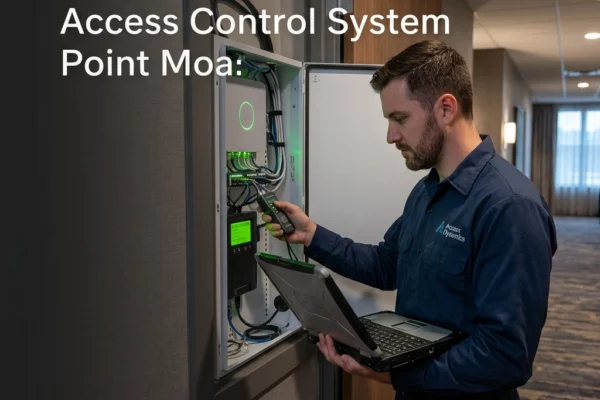
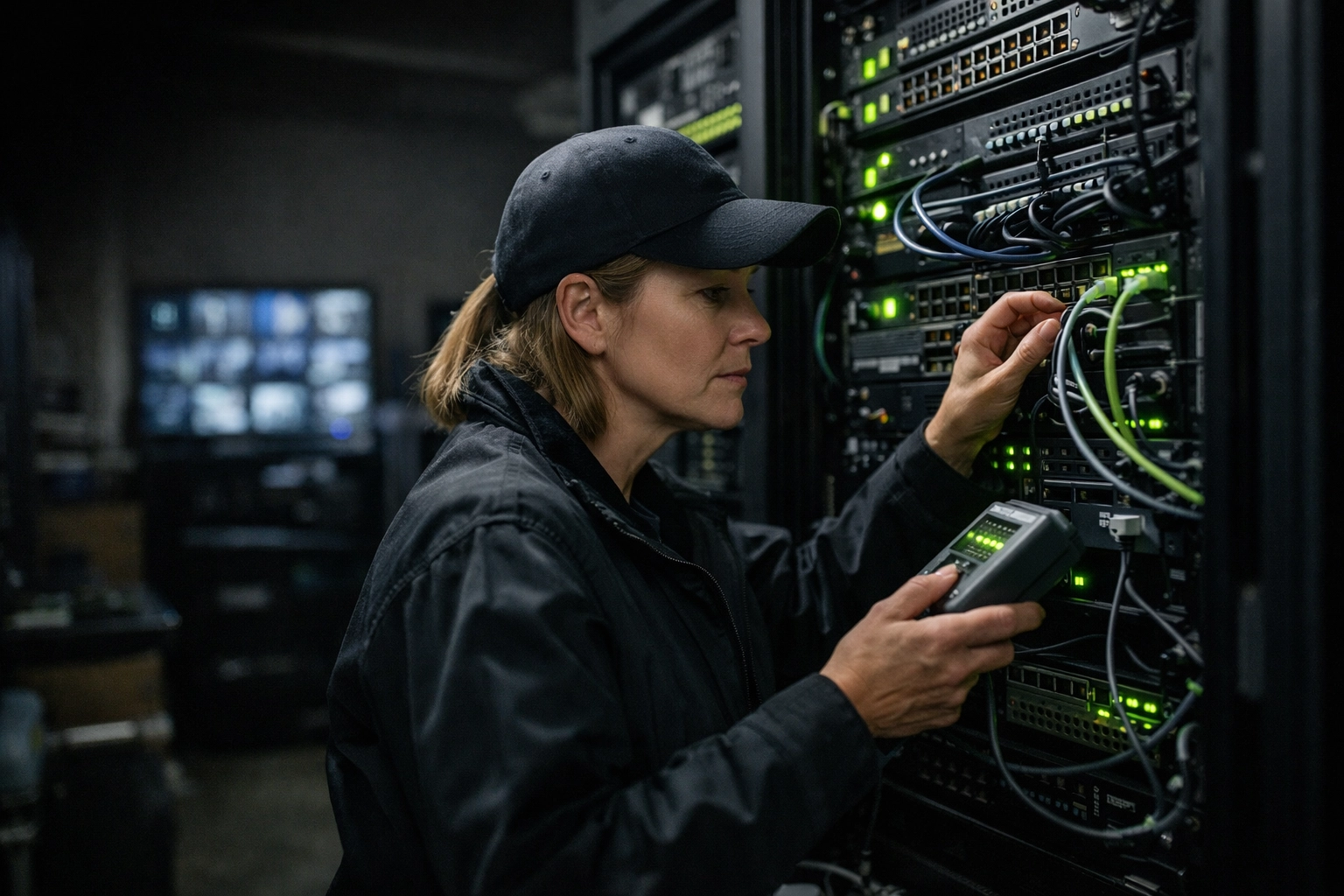
At SAINT Technology Services, we don't just look at your server. We look at your front door. Social engineering often starts with a physical breach.
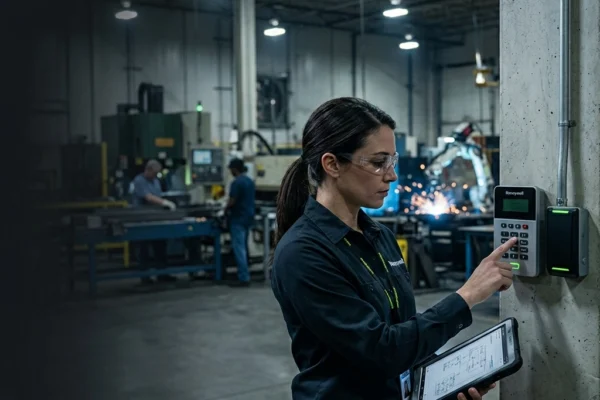
Imagine a "delivery driver" with a fake badge walking into your Lincoln manufacturing facility. They aren't there to steal a laptop. They are there to drop a "lost" USB drive in the breakroom or plug a small device into an open network jack behind a printer.
A security-first culture means your team is trained to challenge anyone they don't recognize, regardless of the uniform they are wearing. It means your Access Control and AI Cameras aren't just for show: they are integrated into your overall cybersecurity posture.

Why Lincoln Businesses are Prime Targets in 2026
Hackers used to go for the "big fish" in Silicon Valley. Now, they target the Midwest. Why? Because Lincoln and Omaha businesses are known for being hardworking, trusting, and: all too often: under-protected.
Whether you are a healthcare clinic in Grand Island or a hospitality group in Omaha, you have data that is valuable on the dark web. You have bank accounts that can be drained. You have operations that can be halted by ransomware.
If your IT support is "reactive": meaning they only show up when something breaks: you are already a target. You need a proactive defense that treats security as a discipline, not an afterthought.
How SAINT Technology Services Builds a Security-First Culture
We don't do "boring" training. We do tactical defense. Our approach to IT Support in Lincoln Nebraska involves transforming your staff from your biggest liability into your strongest asset.
1. Phishing Simulation with Consequences
We don't just send a fake email; we send emails tailored to your specific industry. If an employee clicks, they don't get a "gotcha" message. They get immediate, contextual micro-training that shows them exactly what they missed.
2. Zero-Trust Architecture
We assume the "awareness" might fail. That’s why we implement technical safeguards like hardware security keys (YubiKeys) that are immune to MFA bypass kits. If your staff can't be tricked into giving away the key, the attacker can't get in.
3. Unified Strategy
We bridge the gap between your digital and physical security. We ensure your cameras, door locks, and firewalls are talking to each other. If a weird login happens from a remote IP while that same employee just badged into the office in Lincoln, our systems flag it instantly.
4. Direct Accountability
We provide clear reports to owners and GMs. You’ll know exactly who your "high-risk" users are and we will work with them one-on-one to improve their security posture.
If your business in Lincoln or Omaha is dealing with slow systems, downtime, or unreliable IT support : SAINT fixes it before it becomes a problem.
Frequently Asked Questions
Why is my current security training not stopping phishing?
Most training is too generic and doesn't account for modern "Adversary-in-the-Middle" attacks or AI-driven voice cloning. It teaches people to look for typos, but today's hackers use AI to write perfect, professional copy.
How do I fix IT issues fast in my Lincoln office?
Stop relying on "break-fix" technicians. Switch to a managed IT provider that offers proactive monitoring. Most issues can be resolved before you even notice them if your systems are managed correctly.
What is the best cybersecurity company near me in Nebraska?
SAINT Technology Services is veteran-owned and based right here in Nebraska. We provide converged security solutions: meaning we handle your IT, your cybersecurity, and your physical security (CCTV/Access Control) under one roof.
Can hackers really bypass my phone's MFA code?
Yes. Modern phishing kits act as a proxy between you and the real website. They intercept your password and your MFA code simultaneously, allowing the attacker to log in as you.
What should I do if an employee clicks a suspicious link?
Immediately isolate the device from the network and force a password reset and a session logout for all corporate accounts. Then, contact your IT provider to check for persistent threats or "backdoors" the attacker may have installed.
Is AI making phishing worse for small businesses?
Absolutely. AI allows hackers to scale personalized attacks that used to take hours to write. Now, they can target 1,000 Lincoln businesses in seconds with messages that sound like they came from a local vendor or partner.
Related Services
- Managed IT Services
- Cybersecurity Consulting
- AI-Driven CCTV Systems
- Cloud Security for Microsoft 365
Serving Businesses in Lincoln & Omaha
We provide high-level IT support and security for professional offices, manufacturing plants, and hospitality groups throughout Nebraska. Whether you are in downtown Lincoln, the Old Market in Omaha, or operating in Bellevue, Fremont, or Kearney, SAINT is your local partner for a secure, stable infrastructure.
Stop settling for "good enough" security. Let’s get tactical.